


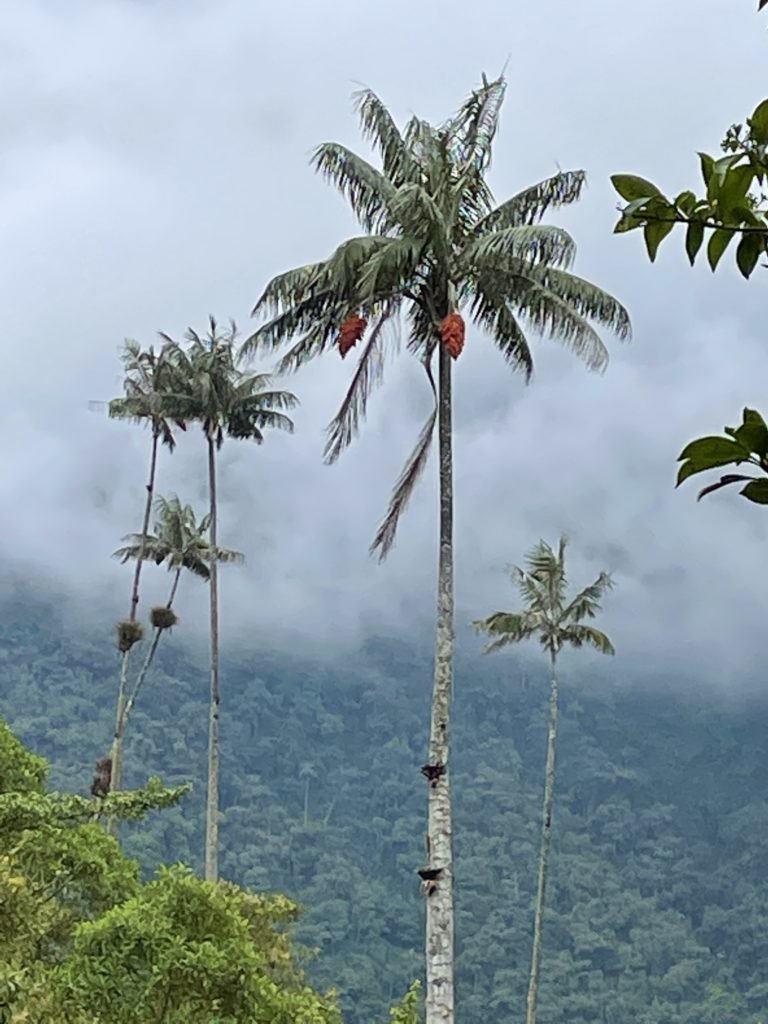
Looking for a majestic symbol of Colombia’s heritage and biodiversity? Enter the fascinating world of the palma de cera – the national tree of Colombia. Standing tall and revered, this striking palm species captivates with its slender trunk and lush green fronds. Discover the significance of palma de cera in Colombian culture as we delve into its history, conservation efforts, and importance in the ecosystem. Join us on a journey to unravel the secrets of this iconic tree that stands as a testament to the country’s rich natural splendor.

Discovering the Wonders of Palma de Cera: Colombia’s National Tree
Welcome, young explorers! Today, we are embarking on a journey to uncover the secrets of a fascinating tree – the Palma de Cera. This majestic tree, also known as the Wax Palm, holds a special place in the heart of Colombia as its national tree. Let’s dive deep into the world of Palma de Cera and learn why it is so important.
The Magnificent Palma de Cera
Standing tall and proud, the Palma de Cera reaches for the sky with its slender trunk and lush green leaves. These trees can grow up to an impressive height of over 60 meters, making them one of the tallest palm trees in the world. Imagine looking up and seeing these giants swaying gently in the breeze, their fronds rustling in harmony.
One of the most remarkable features of the Palma de Cera is its smooth, grayish trunk that resembles wax – hence its name, Wax Palm. This unique appearance adds to the tree’s mystique and beauty, drawing visitors and nature enthusiasts from far and wide.
Ancient Guardians of Colombia
For centuries, the Palma de Cera has been a symbol of resilience and strength in Colombia. Indigenous communities revere these trees as sacred beings that protect the land and its people. The Wax Palms have stood witness to the country’s rich history, silently watching over the changing landscapes and bustling cities.
Legend has it that the Palma de Cera was once a young girl who was transformed into a tree by the gods as a punishment for her bravery and defiance. Now, she stands tall and proud, a guardian of the Colombian countryside, her fronds whispering tales of days gone by.
The Importance of Palma de Cera
Beyond its cultural significance, the Palma de Cera plays a crucial role in the ecosystem of Colombia. These majestic trees provide shelter and food for a variety of wildlife, including birds, insects, and mammals. The large fronds of the Wax Palm offer shade and protection to creatures seeking refuge from the harsh sun.
Moreover, the Palma de Cera is a key player in the water cycle, helping to regulate the flow of water in the region. Its roots help prevent soil erosion, ensuring that the land remains stable and fertile for generations to come. Without the presence of these magnificent trees, the delicate balance of the Colombian ecosystem would be disrupted.
Conservation Efforts for Palma de Cera
Despite their importance, Palma de Cera trees are facing threats from deforestation, climate change, and human encroachment. Conservationists and local communities are working together to protect these iconic trees and ensure their survival for future generations.
One of the key initiatives is the creation of protected areas and national parks where the Palma de Cera can thrive undisturbed. Education programs and outreach efforts aim to raise awareness about the importance of preserving these trees and the unique habitats they support.
Conclusion
As we conclude our journey into the world of Palma de Cera, I hope you have gained a newfound appreciation for these remarkable trees and the vital role they play in Colombia’s natural heritage. Let us continue to cherish and protect the Wax Palms, ensuring that they stand tall and proud for generations to come.
Remember, the Palma de Cera is not just a tree – it is a symbol of resilience, beauty, and the interconnectedness of all living things. So, next time you see a Wax Palm swaying in the wind, take a moment to marvel at its majesty and give thanks for the wonders of the natural world.
El BOSQUE de PALMA DE CERA 🌴 más GRANDE del MUNDO 🇨🇴 (cerca a Salento)
Frequently Asked Questions
What is the significance of the Palma de Cera tree?
The Palma de Cera tree is the National Tree of Colombia and holds great cultural and ecological significance. It plays a crucial role in the ecosystem by providing habitat for various species and contributing to biodiversity conservation.
How tall can the Palma de Cera tree grow?
The Palma de Cera tree is known for its impressive height, reaching up to 60 meters (197 feet) in some cases. Its towering presence makes it a distinctive feature of the Colombian landscape.
Why is the conservation of the Palma de Cera tree important?
Conserving the Palma de Cera tree is crucial for preserving the unique biodiversity of Colombia’s cloud forests. Additionally, it is essential for protecting the cultural heritage associated with this iconic tree.
Final Thoughts
The palma de cera, Colombia’s national tree, symbolizes resilience amid climate change and deforestation threats. Conservation efforts are crucial to protecting this endangered species and preserving Colombia’s biodiversity. Together, we can ensure the survival of the palma de cera for future generations. Let’s join forces to safeguard this iconic tree and the unique ecosystems it sustains. Let the palma de cera stand tall as a testament to our commitment to environmental stewardship.