

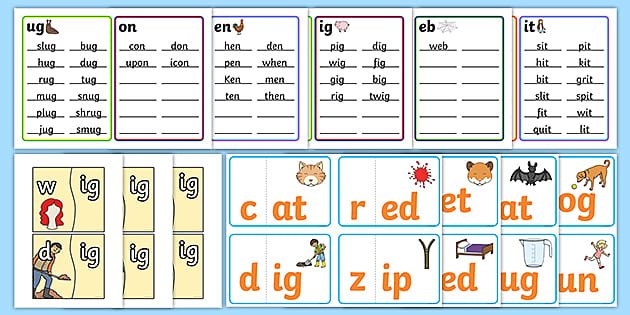
Onset and rime make up the building blocks of phonological awareness. The onset is the initial consonant sound of a syllable, while the rime is the vowel and any ending consonant sounds. Understanding these components is crucial in developing strong literacy skills. By recognizing onset and rime patterns, children can enhance their ability to decode and spell words. Let’s delve deeper into the significance of onset and rime in literacy development.

Exploring the Magic of Onset and Rime
Welcome, young learners! Today, we are embarking on an exciting journey into the world of onset and rime. These may sound like fancy words, but they are actually the building blocks of words that will help you become a master of language. So, fasten your seatbelts as we dive into the magical realm of onset and rime!
What Are Onset and Rime?
Let’s start by finding out what exactly onset and rime are. Think of a word as a delicious sandwich. The onset is the first part of the word, just like the bread that holds everything together. It is the initial consonant or consonant blend that comes before the vowel. On the other hand, the rime is the rest of the word after the onset, akin to the yummy filling in the sandwich. The rime consists of the vowel and any consonants that follow it.
Examples of Onset and Rime
To better understand onset and rime, let’s break down some words into their onset and rime parts. Take the word “cat,” for example. The onset is the “c,” and the rime is the “at.” Can you think of other words and identify their onset and rime?
Why Are Onset and Rime Important?
You might be wondering why onset and rime are such a big deal. Well, understanding onset and rime can help you become a fantastic reader and speller. When you can recognize the onset and rime of a word, you can easily sound out new words and figure out how to spell them. It’s like having a secret code that helps you unlock the mysteries of language!
Reading with Onset and Rime
When you see a word you don’t know, try looking at its onset and rime. Break the word apart like a puzzle. First, say the onset, then the rime, and finally put them together to read the whole word. For instance, if you come across the word “sun,” you can say “s” for the onset and “un” for the rime. Put them together, and you’ve got “sun!”
Spelling with Onset and Rime
Not only can onset and rime help you read words, but they can also assist you in spelling them correctly. When you know the common patterns of onset and rime, you can spell words by recognizing these parts. For instance, if you know that the onset “sh” often goes with the rime “ip,” you can spell words like “ship” or “shop” with ease!
Games to Explore Onset and Rime
Learning about onset and rime doesn’t have to be boring. In fact, there are fun games you can play to practice and reinforce your knowledge. Let’s explore a couple of exciting games that will make onset and rime learning an enjoyable adventure!
Onset and Rime Bingo
Who doesn’t love a good game of bingo? Create bingo cards with different onsets and rimes. As the caller announces words, players have to identify the onset and rime of each word on their cards. The first one to shout “Bingo!” wins! It’s a great way to sharpen your onset and rime skills while having a blast.
Onset and Rime Memory Match
For this game, you’ll need cards with onsets and rimes written on them. Mix up the cards and lay them face down. Players take turns flipping two cards at a time to find matching onsets and rimes. If they make a match, they get to keep the pair! This game will test your memory and help you strengthen your onset and rime recognition.
Let’s Practice Together!
Now that you’ve learned all about onset and rime, it’s time to put your knowledge to the test. Grab a book or a piece of paper and start identifying the onset and rime of different words. The more you practice, the better you’ll become at spotting these magical word parts!
Remember, onset and rime are like the keys that unlock the doors to reading and spelling. So, keep exploring, keep practicing, and soon you’ll be a language wizard, creating words like a pro! Good luck on your onset and rime adventures!
Happy learning, young linguists!
Video 14: Onset & Rime (REL Southeast)
Frequently Asked Questions
What is the onset in a syllable?
The onset in a syllable is the initial consonant or consonant cluster that comes before the vowel sound. It is the part of the syllable that precedes the vowel and contributes to the syllable’s sound.
How does the rime of a syllable differ from the onset?
The rime of a syllable consists of the vowel and any consonants that come after it. It is the part of the syllable that follows the onset. While the onset contributes to the syllable’s initial sound, the rime contributes to the syllable’s ending sound.
Why is understanding onset and rime important in phonics instruction?
Understanding onset and rime is crucial in phonics instruction because it helps students break words into smaller parts, making it easier to decode and spell words. By identifying onsets and rimes, students can recognize common patterns in words and improve their reading and writing skills.
How can teachers help students practice identifying onsets and rimes?
Teachers can help students practice identifying onsets and rimes by using activities such as word sorts, rhyming games, and word building exercises. By engaging in hands-on activities and games, students can strengthen their phonemic awareness and develop their ability to recognize and manipulate onsets and rimes in words.
Final Thoughts
Understanding the onset and rime structure in phonetics is crucial for language learners. The onset refers to the initial sound of a syllable, while the rime consists of the vowel and any consonants that follow. By mastering the onset and rime patterns, students can improve their pronunciation skills. Practice identifying and analyzing onset and rime in words to enhance phonological awareness. Mastering this foundational concept will lay a solid groundwork for language acquisition and fluency.


