

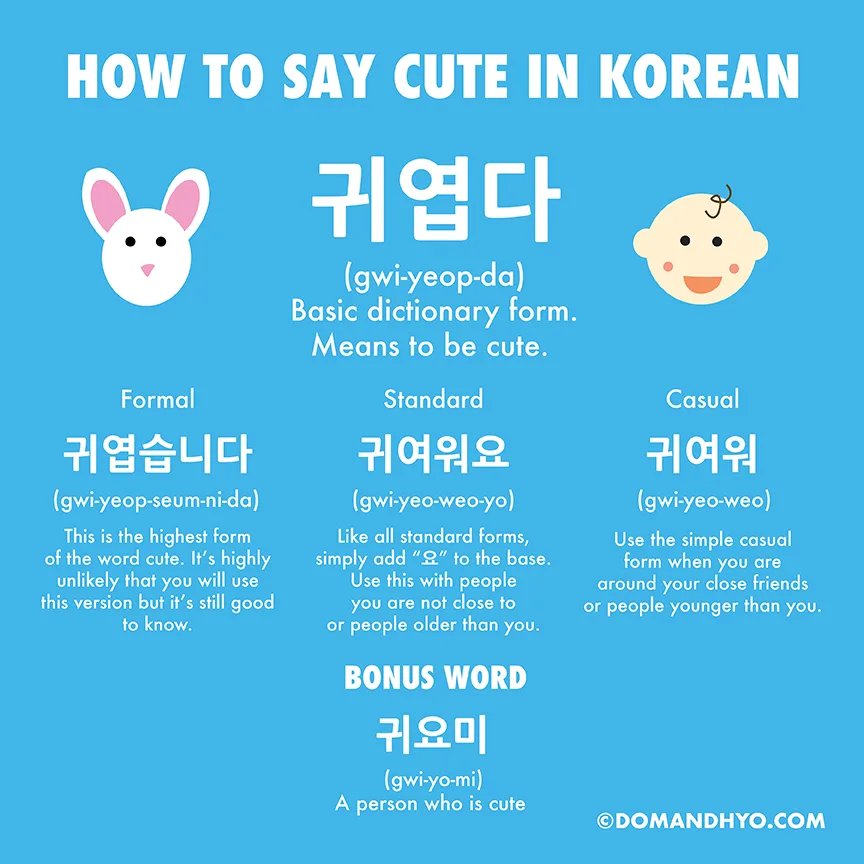
“Cute in Korean,” known as “귀엽다 (gwiyeobda),” is a term that transcends language barriers with its universal charm. The Korean culture celebrates cuteness in various forms, from adorable characters to affectionate gestures. Understanding how to express and appreciate “cute” in Korean adds depth to cross-cultural interactions. Join us on an exploration of the endearing world of cuteness in Korean, where every little detail is cherished and celebrated. Let’s dive into the delightful realm of ‘cute in Korean’ and embrace the heartwarming essence it brings to our lives.

Cute in Korean: Exploring the Adorable World of Aegyo
Have you ever wondered how to express cuteness in Korean? In Korean culture, “cute” is not just a word—it’s an entire concept known as “aegyo” (애교). Aegyo refers to the act of behaving in an endearing or adorable way to evoke feelings of affection in others. From the way you speak to your gestures and facial expressions, aegyo plays a significant role in Korean society. Let’s dive deeper into the fascinating world of cuteness in Korean culture!
Understanding Aegyo: The Heart of Cuteness
Aegyo is deeply ingrained in Korean society and is often used by people of all ages to express affection, playfulness, and charm. This unique cultural phenomenon goes beyond mere physical appearance and delves into the realm of behavior and communication. In Korean, cuteness is not just about looking adorable; it’s about exuding a charming and innocent aura that captures people’s hearts.
The Art of Aegyo: How to Be Cute in Korean
If you’re curious about mastering the art of aegyo, there are various techniques you can employ to showcase your cuteness. From using a higher-pitched voice to making exaggerated facial expressions, aegyo encompasses a wide range of behaviors that are meant to make you endearing to others. Let’s explore some common ways to express aegyo:
1. Tone of Voice:
One of the key elements of aegyo is the use of a sweet and slightly high-pitched voice. By speaking in a softer tone and adding a touch of playfulness to your words, you can instantly convey cuteness in Korean. Remember to sound cheerful and enthusiastic to enhance your aegyo charm!
2. Facial Expressions:
Your facial expressions are crucial when it comes to aegyo. From widening your eyes to flashing a big smile, conveying warmth and friendliness through your face is essential. Try practicing different facial expressions in front of a mirror to perfect your aegyo game!
3. Gestures and Body Language:
In addition to your voice and facial expressions, using gestures and body language can amplify your cuteness factor. From gentle hand movements to playful dances, incorporating subtle actions into your interactions can make you irresistibly cute in Korean culture.
The Role of Aegyo in Korean Pop Culture
Aegyo is not just limited to everyday interactions in Korea—it has also made its mark in the country’s vibrant pop culture scene. From K-pop idols to Korean dramas, aegyo plays a significant role in shaping the entertainment industry and captivating audiences worldwide.
Aegyo in K-pop:
When you delve into the world of K-pop, you’ll inevitably come across idols who are masters of aegyo. From adorable choreography to cute interactions with fans, K-pop stars often showcase their aegyo skills to endear themselves to their audience. Whether it’s aegyo-filled music videos or live performances, cuteness is a powerful tool in the K-pop industry.
Aegyo in Korean Dramas:
Korean dramas, known for their heartwarming plots and charming characters, frequently feature aegyo as a way to evoke emotions in viewers. Whether it’s a shy smile, a playful wink, or a cute gesture, aegyo is used to create memorable and endearing moments that resonate with audiences around the world.
Cuteness Overload: Aegyo in Everyday Life
In Korea, aegyo isn’t just reserved for celebrities—it’s a part of everyday life for many people. From children to adults, incorporating aegyo into interactions with family, friends, and even strangers is a common practice that adds warmth and charm to social interactions.
Aegyo at Home:
Within Korean households, aegyo is often used to express affection and playfulness among family members. Whether it’s a child using a cute voice to ask for a snack or a parent showering their loved ones with sweet gestures, aegyo helps strengthen familial bonds and create a loving atmosphere at home.
Aegyo in Friendships:
Among friends, aegyo can be a fun and lighthearted way to show care and camaraderie. From sending adorable emojis in text messages to teasing each other playfully, incorporating aegyo into friendships adds an extra layer of sweetness and humor to daily interactions.
Embracing Aegyo: The Universal Language of Cuteness
While aegyo is deeply rooted in Korean culture, its appeal goes beyond borders and resonates with people worldwide. The charm and innocence of aegyo transcend language barriers, making it a universal form of expression that can brighten anyone’s day.
So, the next time you want to spread some joy and warmth, why not channel your inner aegyo and embrace the adorable world of cuteness in Korean? Whether you’re practicing your sweet voice, perfecting your cute expressions, or simply enjoying a K-pop song filled with aegyo, remember that being cute knows no bounds!
With a sprinkle of aegyo and a heart full of warmth, you too can master the art of cuteness in Korean culture. Let your inner charm shine bright and delight those around you with the magic of aegyo!
Thank you for joining us on this delightful journey through the world of aegyo. May your days be filled with sweetness, warmth, and endless smiles!
3 Impossible Beauty Standards In Korea!
Frequently Asked Questions
What is the meaning of “cute” in Korean?
In Korean, the word for “cute” is “귀엽다” pronounced as “gwiyeobda”. It is commonly used to describe something or someone who is lovable, charming, or endearing.
Can you give examples of how to use “cute” in Korean?
Some ways to use “cute” in Korean include saying “그 강아지는 정말 귀엽다” which means “That puppy is really cute” or “그 옷이 참 귀엽네요” which translates to “That outfit is very cute.”
Are there different levels of cuteness in Korean language?
Yes, in Korean, you can express different levels of cuteness by using modifiers like “아주” meaning “very” or “너무” meaning “too much”. For example, you can say “아이들이 아주 귀엽다” to mean “The children are very cute.”
Final Thoughts
Korean culture is deeply connected to cuteness, known as aegyo. Embracing this concept can bring joy and positivity to everyday life. Through trends like K-pop and K-dramas, the world is falling in love with the unique charm of cute in Korean. Let’s celebrate and embrace the adorable and endearing aspects of this cultural phenomenon. Cute in Korean reflects a delightful and charming way of expressing emotions, adding a touch of sweetness to interactions. Incorporating aegyo into our lives can bring a sense of light-heartedness and warmth to our relationships.


